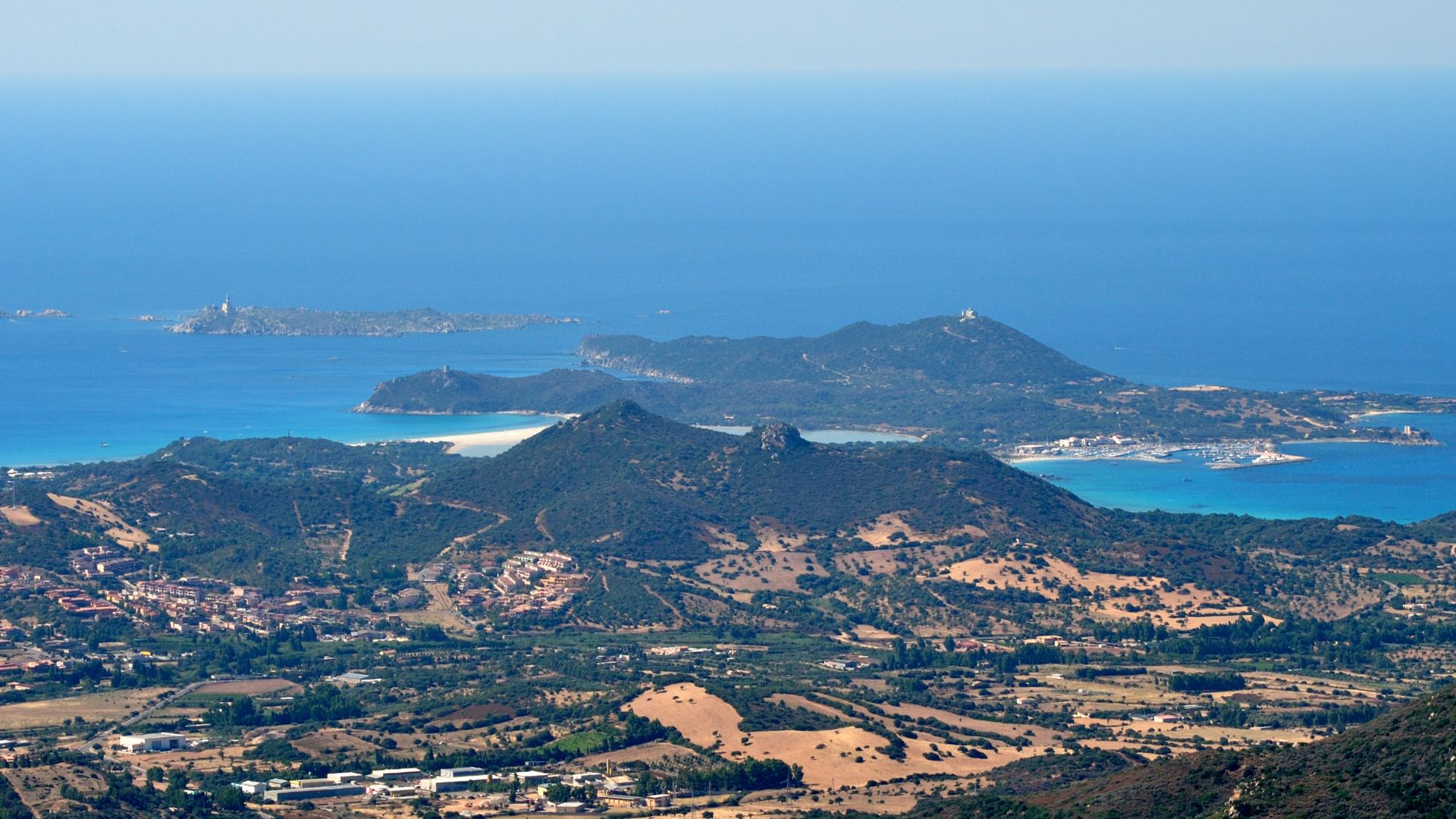
Two Blue4All case studies have been featured in the EU Blue Parks policy brief, published on WISE Marine, the European Environment Agency's marine information system. The brief sets out how Mission Ocean projects are developing practical solutions for setting, managing and expanding marine protected areas. Both cases aim to make marine protection work for ecosystems and the coastal communities who depend on them, but each takes a very different approach.
The EU Blue Parks brief tracks Europe's progress towards protecting 30% of its seas by 2030, a target set under the EU Biodiversity Strategy. Coverage reached 12.3% in 2022, so there is still some way to go, and the share of seas under strict protection remains under 1% against a 10% goal, though the brief notes that figure is still uncertain. Alongside this picture, the brief profiles the projects working to close the gap, including the six Blue Parks projects developing science-based solutions for setting, managing and expanding marine protected areas. Blue4All is one of them, and two of its case studies feature among the brief's selected use cases.
Capo Carbonara, Italy: rezoning through participation
In south-eastern Sardinia, the Capo Carbonara MPA management team worked with MEDSEA and Blue4All to revise a zoning scheme dating from 2012. Fishers, tourism operators, municipal authorities and researchers took part in a process that combined QGIS spatial analysis with open dialogue. The lesson: accessible tools drive real participation. Turning complex spatial data into simplified maps and interactive workshops let stakeholders engage meaningfully rather than sit on the sidelines. The revised zoning proposal is currently under review by the Ministry, so it has not yet been approved or enforced.
Vlaamse Banken, Belgium: putting a value on nature
In the Belgian North Sea, the Blue4All team looked at how to make the benefits of marine protection more visible. Marine Protected Areas safeguard the services that healthy ecosystems provide, but those services are often poorly mapped and communicated, which makes it harder for people to value protection. Using a benefit transfer method and stakeholder interviews, the case study put a socio-economic value on restoring European flat oyster reefs. The estimates were rough rather than exact, because there is little comparable data available for offshore reefs, but even an approximate figure gives stakeholders something concrete to weigh, rather than leaving the benefits of protection abstract. One of their main takeaways was also that involving experts from different backgrounds matters more than the sheer number of interviews conducted, because once the main perspectives are covered, extra interviews tend to repeat what has already been said rather than surface anything new.
In the end, the same lesson runs through both approaches: marine protection works best when the people affected can see what it delivers. Read both case studies and the full brief on WISE Marine.
Read the Capo Carbonara and Vlaamse Banken case studies, or see the full policy brief on WISE Marine.